The Art of Dressing With Intention
Open your wardrobe for a moment.
Not because you need something to wear. But because it tells a story.
Every jacket hanging on a rail, every pair of shoes tucked neatly underneath, every dress you haven’t worn in years represents a moment in your life.
Some remind you of a job you once loved. Others belong to holidays, celebrations or important milestones.
Some pieces still make you smile the moment you see them. Others simply remain there out of habit. without noticing, many of us continue dressing for versions of ourselves that no longer exist.
The career we left. The lifestyle we changed. The trends we once followed. The expectations we once tried to meet.
Our wardrobe quietly becomes an archive of who we used to be rather than a reflection of who we are today.
Perhaps that is why opening your wardrobe sometimes feels strangely overwhelming. It isn’t because you have nothing to wear.
It is because what you see no longer feels completely aligned with who you have become. Building a wardrobe is often presented as a shopping exercise.
Buy fewer clothes. Choose neutral colours. Invest in timeless basics. Create a capsule wardrobe.
While all of those ideas have value, they miss a much more important question.
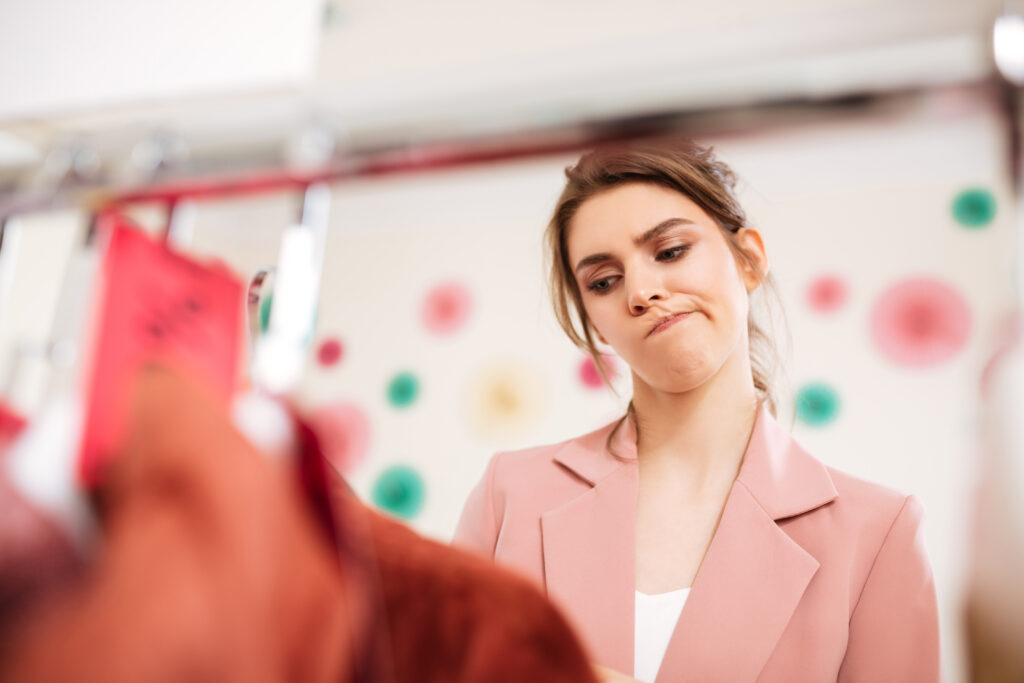
Does your wardrobe reflect your identity today?
Because style has never really been about clothing. It has always been about communication.
Long before you introduce yourself, your appearance tells a story. It communicates confidence, Attention to detail,Creativity, Professionalism, Simplicity, Warmth and even silence.
Researchers describe this phenomenon as enclothed cognition, a concept introduced by researchers at Northwestern University. Their work suggests that clothing doesn’t simply influence how other people perceive us; it can also influence how we think, feel and perform.
In other words, what you wear can subtly affect the way you experience yourself. That doesn’t mean a blazer magically makes someone confident. Confidence always comes from within. But clothing can reinforce the identity you are consciously building.
This is where personal style becomes far more interesting than fashion. Fashion changes every season. Identity evolves much more slowly. And style is where those two worlds meet.
Style Evolves Because You Do
One of the biggest misconceptions about personal style is the idea that once you find it, it should remain the same forever.
In reality, nothing about life stays still. Your priorities change, your work changes, your relationships change, The way you spend your weekends changes.
Even the way you define success changes over time. Why should your wardrobe remain frozen in a different chapter of your life?
Think back to the person you were ten years ago. Perhaps your days looked completely different. Perhaps your confidence did too.
Maybe you wore structured tailoring because your work required it. Perhaps you collected heels you rarely wear today.
Or maybe your wardrobe became practical because life simply demanded practicality. None of those choices were wrong.
They reflected the person you were in that moment. The problem begins when your wardrobe stops evolving while you continue growing. Many people keep buying clothes almost automatically. Not because they love them. But because they always bought that style. Or because someone else said they were flattering. Or because they feel safer choosing what is familiar.
Little by little, the wardrobe becomes disconnected from the life being lived.
Instead of supporting your identity, it starts preserving an older version of it. Building an intentional wardrobe requires something different.
It asks you to pause before asking: “What should I buy next?” and instead ask, “Who am I dressing today?”
That single question changes everything. Because it moves the conversation away from trends and towards self-awareness.
An intentional wardrobe doesn’t begin in a clothing store. It begins with reflection.
The most stylish people are rarely those who own the most clothes. They are often the ones who understand themselves the best.
They know how they want to feel. They know what makes them comfortable. They know what reflects their personality rather than someone else’s expectations.
Style becomes effortless when it feels authentic. And authenticity never goes out of fashion.
Stop Dressing for an Old Version of Yourself

One of the hardest things to let go of isn’t a piece of clothing. It’s the version of ourselves attached to it.
Almost everyone has something hanging in their wardrobe that no longer belongs to their life.
A perfectly tailored blazer from a career that ended years ago. A collection of dresses bought for events that no longer reflect today’s lifestyle. Jeans that fit a different body. Shoes purchased because they were fashionable rather than comfortable.
Sometimes we keep these pieces because they remind us of who we once were. Sometimes we hold onto them because we hope they will fit into our lives again.
And sometimes, if we’re honest, they represent expectations we have never fully let go of.
Our wardrobes quietly become museums of unfinished stories. Yet style is not about preserving the past. It is about expressing the present. That does not mean throwing everything away or starting from scratch. Quite the opposite.
An intentional wardrobe respects your history while making space for who you are becoming.
When every item supports the way you live today, getting dressed becomes simpler. Instead of asking, “What should I wear?”, you begin asking something much more meaningful:
“Does this still feel like me?” If the answer is no, the garment has already served its purpose.
There is nothing wrong with thanking it for the role it played and allowing it to make room for something that reflects your life now.
Your wardrobe should never make you feel guilty. It should make you feel recognised.
Clothing Is More Than Fabric
Most people think of clothing as something practical. It keeps us warm. It protects us from the weather.
It helps us dress appropriately for different occasions. But clothing also carries psychological meaning.
Researchers describe a concept known as enclothed cognition, which explores how what we wear can influence the way we think and behave. A widely cited study published in the Journal of Experimental Social Psychology found that participants wearing a white coat associated with attentiveness performed better on certain cognitive tasks than those who did not assign the same meaning to the garment. The findings suggest that clothing can shape our mindset when we attach symbolic value to it.
This does not mean a blazer automatically creates confidence or that a beautiful dress changes your personality.
Confidence is never found in clothing alone. But clothing can support the way you want to show up in the world.
Think about the difference between wearing something that constantly needs adjusting and wearing something that fits well and feels comfortable. One distracts you. The other allows you to focus on the conversation, the meeting or the experience in front of you. The best clothes often disappear from your awareness. Not because they are invisible. But because they allow you to be fully present. That is one of the quiet powers of personal style. It removes unnecessary friction from everyday life.
Dressing With Intention
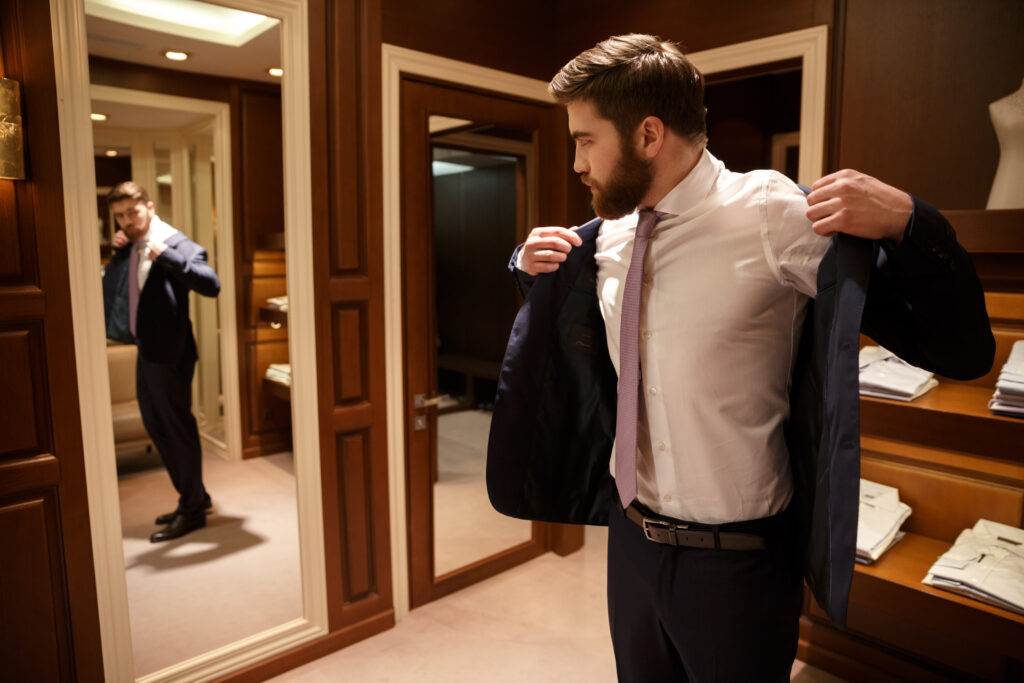
Many wardrobes grow through impulse. A sale catches your attention. A trend fills your social media feed. A celebrity wears a particular colour.Without thinking too much, another item finds its way into your wardrobe.
Months later, it still carries the tag. Building a wardrobe with intention follows a completely different rhythm.
Instead of asking : “Do I like this?” you begin asking: “Does this belong in the life I’m creating?”
That question changes the way you shop. It encourages you to think beyond the excitement of the moment. You begin to notice whether a garment works with the pieces you already own.
Whether it reflects your lifestyle. Whether you will still enjoy wearing it in several years.
Whether it supports the image you want to project. Gradually, shopping becomes less about accumulation and more about curation. A well-curated wardrobe does not need to be large.
It needs to be coherent. Every piece should have a reason to be there. Not because fashion magazines declared it essential.
But because it genuinely supports your daily life. Over time, this approach creates something far more valuable than a full wardrobe. It creates clarity. You spend less time deciding what to wear. You make fewer unnecessary purchases. You appreciate what you already own.
And perhaps most importantly, you begin to feel that the way you dress reflects the person you are—not the person you think you should be.
What is Style? Style is not built in a single shopping trip. It develops slowly, through small decisions that become habits. Every thoughtful choice adds another layer to your identity, every garment becomes part of a story that continues to evolve. Because the goal has never been to own more clothes.
The goal has always been to create a wardrobe that feels unmistakably yours.
Quality Over Quantity
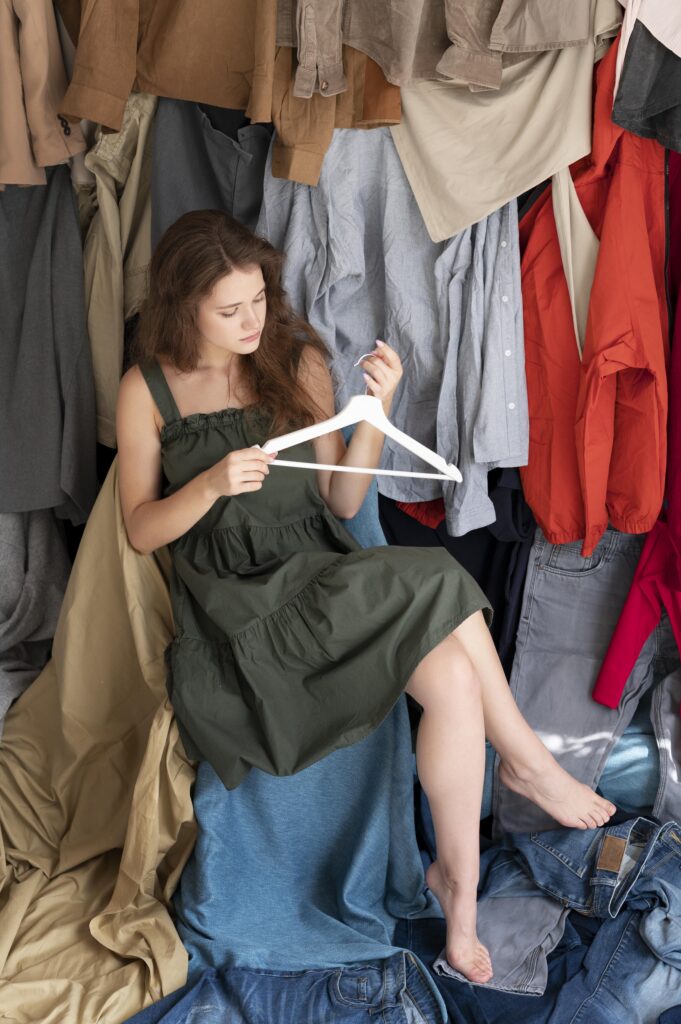
The fashion industry has trained us to believe that having more options leads to better style, Yet the opposite is often true.
The more crowded a wardrobe becomes, the harder it is to see what truly belongs.
Many people own far more clothes than they actually wear. Research consistently shows that a relatively small percentage of garments account for most everyday outfits. The problem is rarely a lack of clothing—it is a lack of intention.
A thoughtfully curated wardrobe removes that noise.
Instead of opening your wardrobe and feeling overwhelmed, you begin to see possibilities,every piece has earned its place,every garment works with several others,every purchase has a purpose.
Quality is not about buying the most expensive brands. It is about choosing pieces that respect your lifestyle, fit well, and continue to serve you long after the excitement of the purchase has faded.
A beautifully cut white shirt,A tailored blazer.,Well-made denim.
A cashmere sweater you reach for every winter, Leather shoes that become even better with time.
These are not exciting because they are trendy, They are valuable because they become part of your life.
Fashion often celebrates novelty, Style celebrates longevity.
The difference may seem subtle, but it changes everything; One encourages constant consumption, The other encourages thoughtful ownership, and thoughtful ownership creates something surprisingly freeing; Instead of chasing what is new, you begin appreciating what already works.
A Timeless Wardrobe Is Built Around Your Life
A timeless wardrobe is often misunderstood. People imagine rows of identical beige clothing, perfectly folded shirts and strict capsule wardrobe rules. But timeless style has very little to do with uniformity, It has everything to do with consistency.
Your wardrobe should reflect the way you actually live—not the lifestyle someone else promotes online.
If you work from home, your wardrobe should support comfort without sacrificing confidence. If your weekends are spent outdoors, elegant practicality may matter more than formal tailoring.
If creativity is part of your profession, your clothing can reflect originality while remaining refined. There is no universal formula.
The most timeless wardrobes are deeply personal. They are built around habits, values and daily routines.
This is why copying someone else’s style rarely feels authentic. Their wardrobe tells their story.
Yours should tell yours. When you understand this, shopping changes naturally.
Instead of asking whether something is fashionable, you begin asking whether it belongs in your life.
That simple shift often leads to fewer purchases, better decisions and a wardrobe that feels increasingly cohesive over time.
Your Wardrobe Is Part of Your Personal Brand
Whether we realise it or not, every day we communicate something before saying a single word.
The colours we choose. The way our clothes fit.The attention we give to details. Our posture. Our grooming.
Together, these elements create an impression long before a conversation begins. This is not about judging people by appearance.
It is about recognising that visual communication has always been part of human interaction.
Psychologists have long studied how first impressions form within moments of meeting someone. While appearance is only one element of that impression, it inevitably contributes to how others initially perceive confidence, professionalism and approachability.
Your wardrobe therefore becomes part of your personal brand. Not because labels matter. Not because luxury matters.
But because consistency matters. When your clothing reflects your personality, values and lifestyle, people experience coherence.
You look like yourself.That may sound simple, yet it is surprisingly rare.
Many people dress according to expectations. Professional expectations. Social expectations. Family expectations. Fashion expectations.
Very few pause long enough to ask: “Does this represent who I am today?”
That question is the foundation of authentic personal style.
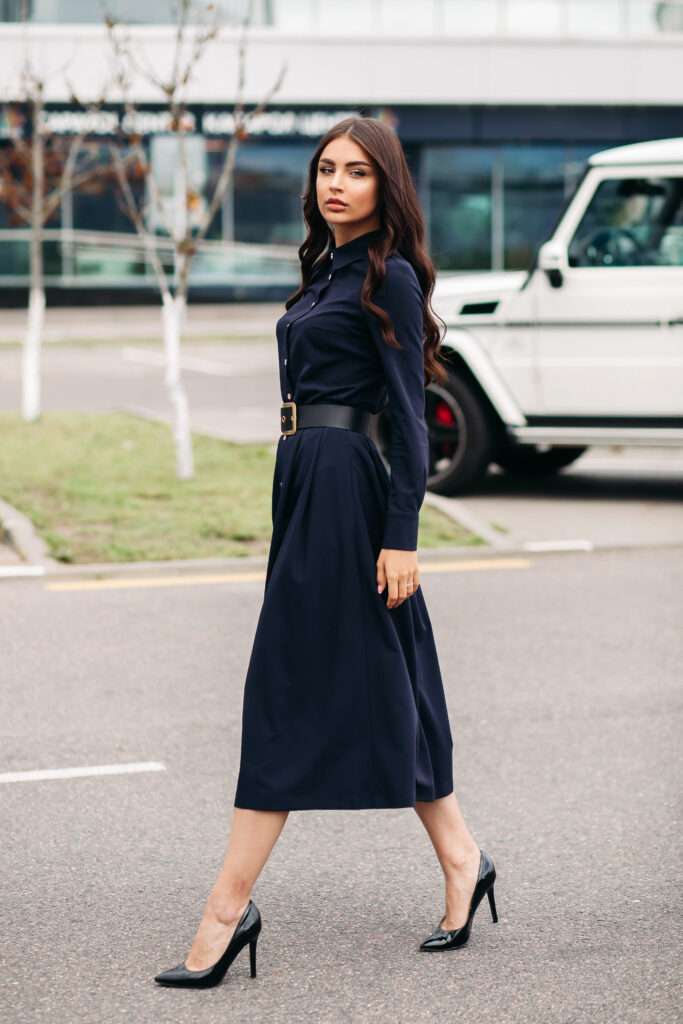
It is also the foundation of an authentic personal brand. The goal is never to impress everyone. The goal is to create alignment between who you are and what the world sees. When that alignment exists, confidence becomes quieter.
You stop wondering whether you look right. Instead, you focus on the conversation you are having, the work you are creating and the life you are living. And perhaps that is one of the greatest gifts of an intentional wardrobe. It gives your attention back.
Style Is an Investment in Yourself
Fashion is often treated as an expense. Style is something entirely different. Style is an investment. Not because clothing defines your worth. But because it influences your everyday experience. Every morning begins with a decision. What you choose to wear can either simplify your day or complicate it. A wardrobe built with intention removes unnecessary decisions.
It creates ease. It saves time. It supports confidence.
Most importantly, it allows you to direct your energy toward what truly matters. Your work,your relationships,your creativity,your wellbeing.
That is why building a wardrobe is never just about clothing. It is about creating an environment that supports the person you are becoming.
Just as we design homes that make us feel calm and inspired, we can build wardrobes that encourage us to show up with confidence, authenticity and purpose. And that is something no trend can ever replace.
My Final Thoughts
A Wardrobe That Grows With You
There comes a moment when you realise that style has very little to do with having more clothes.It has everything to do with feeling at home in what you wear.
The pieces that remain in your wardrobe year after year are rarely the ones you bought on impulse or because they were trending.
They are the ones that made you feel like yourself. The coat you always reach for. The linen shirt that becomes softer with every season. The pair of jeans that fits perfectly.
The dress that never needs a second thought. These pieces become favourites not because they are fashionable, but because they quietly become part of your life.
That is the difference between fashion and personal style. Fashion asks, “What’s new?” Style asks, “What feels true?”
The answer will be different for everyone. And that is exactly the point. How to align your wardrobe with the person you are today
Building a wardrobe that reflects who you are today is not about following someone else’s formula.
It is about paying attention to your own life.Your routines,your ambitions,your personality, your values,your lifestyle.
When your wardrobe aligns with those things, getting dressed becomes less about appearance and more about intention.
It becomes one less decision competing for your attention each morning.It becomes a quiet reminder of who you are.
The Beauty of Dressing With Intention
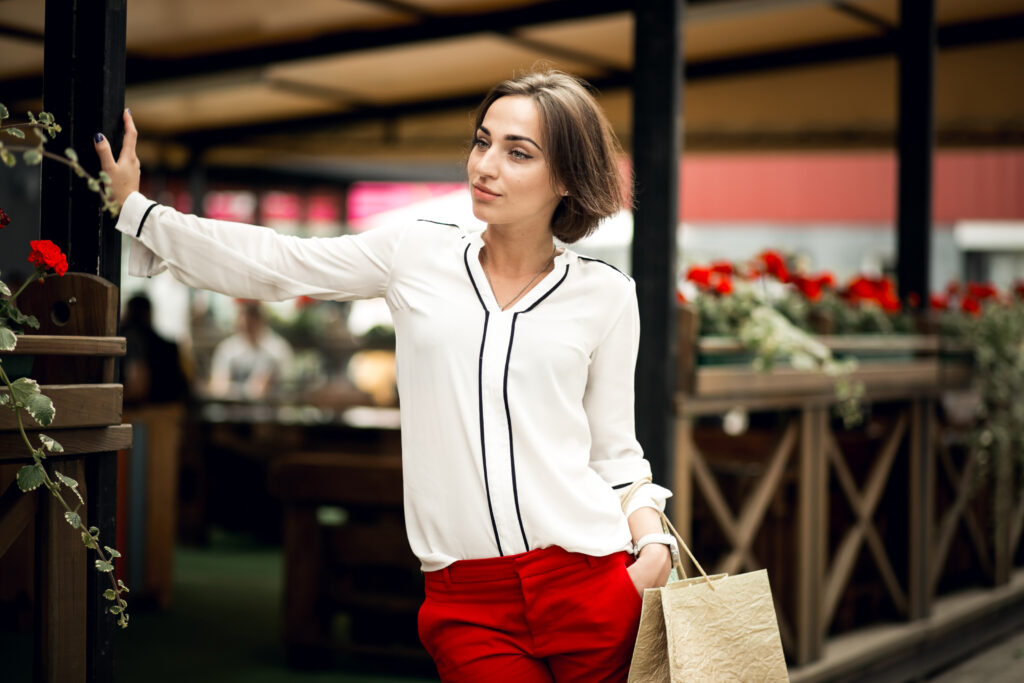
Perhaps the greatest luxury today is not owning more, It is owning enough, Enough pieces that you genuinely love.
Enough quality that you trust. Enough versatility that your wardrobe works for your real life. An intentional wardrobe creates freedom.
Freedom from impulse buying,Freedom from comparison,Freedom from feeling that you constantly need something new to feel complete.
Instead of chasing trends, you begin refining your own visual language. Little by little, your wardrobe becomes less about fashion and more about identity.
People often say they are searching for their personal style. Perhaps personal style is not something we find. Perhaps it is something we uncover.
It has been there all along, quietly waiting beneath expectations, trends and unnecessary purchases.
The goal is not to become someone different.The goal is to remove everything that no longer reflects who you are.
Your Wardrobe Is Part of Your Story
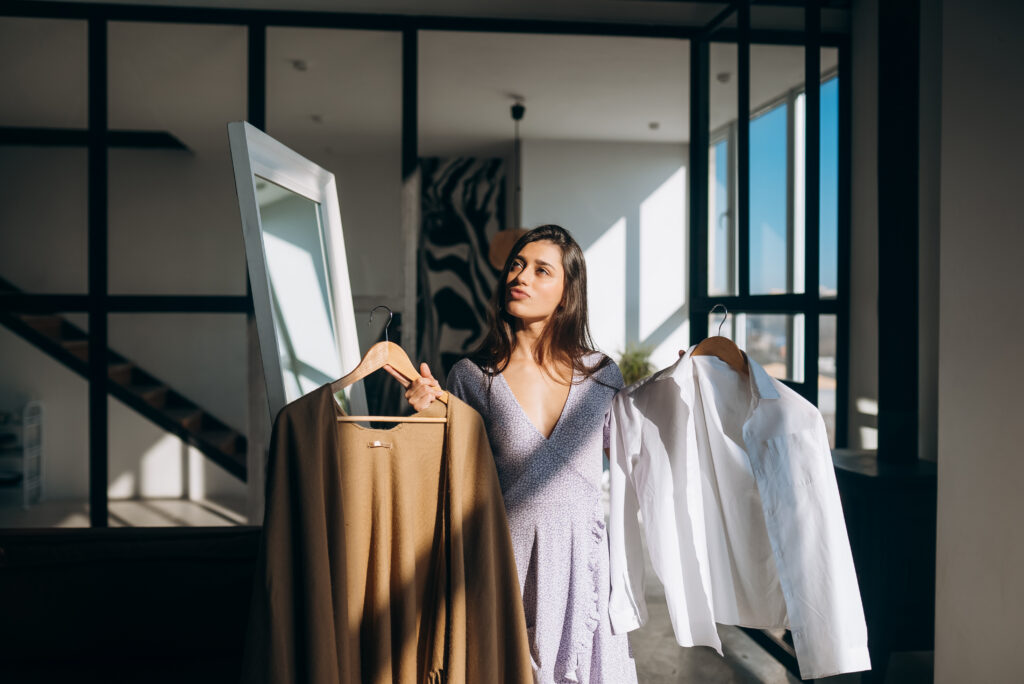
Every morning, before you speak to anyone, before you answer an email or attend a meeting, you tell a story.
Not with words. With presence.
The clothes you choose become part of that story. Not because they define your worth, But because they communicate intention.
A thoughtfully built wardrobe says something without trying too hard.
It reflects confidence rather than perfection, Authenticity rather than imitation.
Consistency rather than excess; And perhaps that is why personal style never goes out of fashion.
Because it evolves as you do.
My Final Reflection
Your wardrobe does not need to impress anyone. It needs to represent you.
It does not need to be expensive. It needs to feel authentic.
It does not need to follow every trend. It needs to support the life you are creating today.
Building a wardrobe that reflects who you are is not a project with a finish line. It is an ongoing conversation between your identity and the life you continue to build.
As your experiences shape you…your wardrobe can evolve with you.
As your confidence grows…your style becomes quieter.
More intentional. More effortless. More personal.
Because the most beautiful wardrobes are never the ones with the most clothes. They are the ones that tell the most honest story.
And there is no better story to tell than your own.
Frequently Asked Questions
How do I start building a wardrobe that reflects who I am today?
Begin by looking at what you already own. Keep the pieces that fit your current lifestyle, make you feel confident and genuinely represent your personality. From there, build slowly and intentionally.
What is an intentional wardrobe?
An intentional wardrobe is a collection of clothing chosen with purpose rather than impulse. Every piece has a role, works with other garments and supports your daily life.
Does building a timeless wardrobe mean avoiding trends?
Not at all. Trends can be enjoyable when they genuinely resonate with your style. The key is choosing them intentionally rather than feeling pressured to follow them.
How does clothing influence confidence?
Research on enclothed cognition suggests that clothing can influence the way we think and behave by reinforcing the meaning we associate with what we wear. While confidence comes from within, clothing can support how we present ourselves and how we feel in different situations.
Why is personal style important?
Personal style helps communicate identity, values and personality. Rather than following fashion blindly, it allows you to create consistency between who you are and how you choose to present yourself.
Suggested Reading
For readers interested in exploring the relationship between clothing, psychology and personal identity, these resources provide valuable insights:
- Northwestern University — Research on enclothed cognition, exploring how clothing can influence cognitive processes and self-perception.
- The Fashion Revolution Foundation — Resources on conscious fashion, sustainability and making more informed clothing choices.