The closet that told the truth
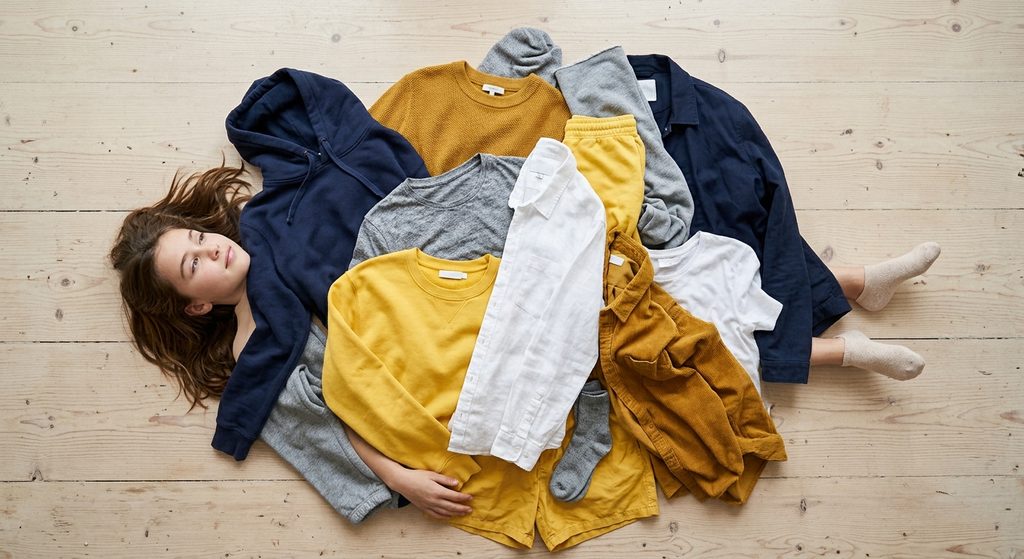
A few months ago, I emptied my wardrobe onto the bed with one simple goal: keep only what I truly love. What I found surprised me. There were pieces I had worn once, some I had never worn at all, and a few that still had their tags. Almost all of them had one thing in common. I bought them because, at that moment, everyone seemed to be wearing them.
There was the oversized blazer that every influencer styled in the same way. There were the chunky sneakers I never felt comfortable in. There was a color, that very specific shade of green, that was suddenly everywhere and then, just as suddenly, nowhere.
As someone who studied fashion design, I have always loved trends. I love how they capture a cultural mood, how they travel from runways to streets, and how they say something about who we are at a certain time. But standing in front of that pile of clothes, I had to admit something uncomfortable. Somewhere along the way, I stopped following trends for joy and started following them out of habit. And that habit has a name: consumerism.
In this post, I want to talk honestly about the relationship between trends and the way we shop, why it is so hard to step off the trend treadmill, and how we can enjoy fashion without letting it own us.
From seasons to seconds
Not so long ago, fashion moved at a predictable rhythm. There were two main seasons, spring/summer and autumn/winter. Designers presented their collections, magazines interpreted them, and stores slowly filled with new styles. A trend could last several years, and a good coat could stay in fashion for a decade.
Then fast fashion changed everything. Large retailers learned to copy runway looks and deliver them to stores in a matter of weeks. Instead of two seasons, we suddenly had new arrivals every week. Later, ultra-fast online brands pushed this even further, uploading thousands of new designs and testing which ones go viral.
Social media added fuel to the fire. Today, a trend can be born in a short video, explode overnight, and feel outdated before the package even arrives at your door. We have “cores” and “aesthetics” with catchy names that come and go like waves. One month it is quiet luxury, the next it is a playful, colorful mood, and then something completely different.
The result is a trend cycle that no longer follows the calendar. It follows the algorithm. And the algorithm never sleeps.
Why we keep saying yes
If we know that trends fade so quickly, why do we keep buying them? The answer has less to do with clothes and more to do with how we feel.
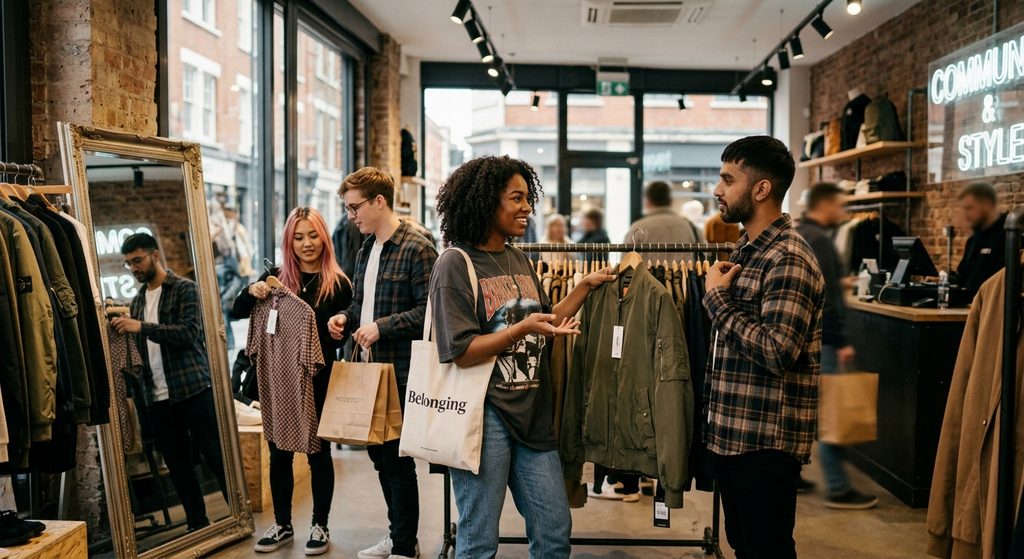
We want to belong. Humans are social by nature. Wearing what others wear is a quiet way of saying, “I am part of this group, I understand what is happening now.” Trends offer an easy uniform for belonging.
We fear missing out. When the same item appears on every screen, it creates a sense of urgency. Limited drops, countdown timers and “only three left” messages are designed to make us act fast, before we have time to ask ourselves if we really need it.
Shopping gives us a small reward. The moment of buying, and even the moment of waiting for a package, can give us a little rush of pleasure. Unfortunately, that feeling rarely lasts. Soon we need a new purchase to feel it again.
We confuse newness with identity. Many of us use clothes to express who we are, which is beautiful. But when we change our style every few weeks to match the latest aesthetic, we risk losing touch with our own taste. We become a mirror of the feed instead of a reflection of ourselves.
None of this makes us weak or foolish. These feelings are completely human. The problem is that an entire industry has learned to use them very, very well.
The price tag we don’t see
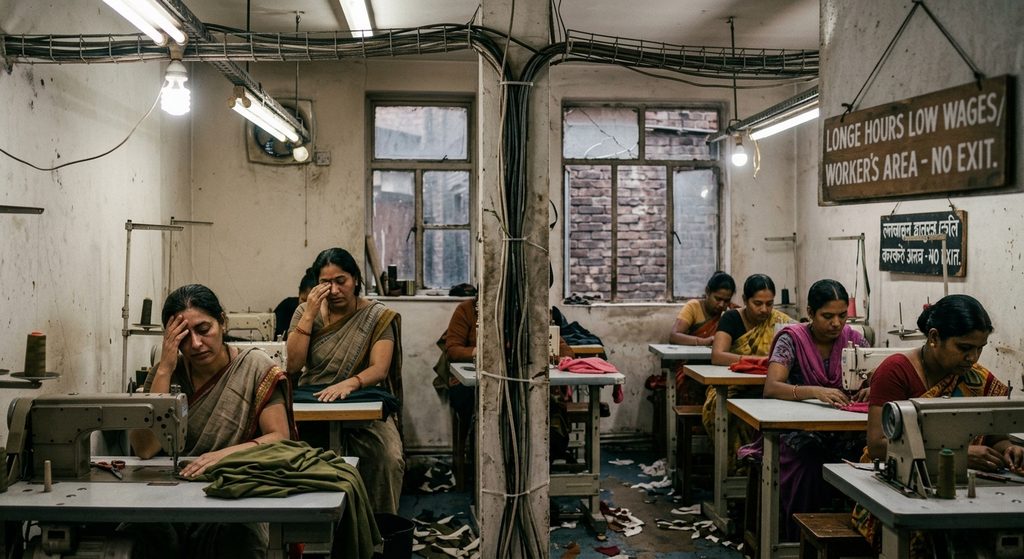
A trendy top that costs less than a lunch feels like a harmless treat. But every garment has a story that starts long before it reaches the store, and the real cost is often paid by someone else.
First, there is the planet. Producing clothing uses huge amounts of water, energy and chemicals. Many cheap garments are made from synthetic fibers that come from oil and release microplastics every time we wash them. And because trend pieces are designed to be replaced quickly, a large part of them ends up in landfills or is shipped to other countries, where mountains of unwanted clothes are becoming a serious environmental problem.
Then, there are the people. Behind the speed of fast fashion are garment workers, very often women, who work long hours for low wages, sometimes in unsafe conditions. When a brand promises hundreds of new styles every week at incredibly low prices, someone in the supply chain is absorbing that pressure.
Finally, there is the cost to us. Buying many cheap things adds up. Our closets become crowded, our budgets get tighter, and paradoxically we often feel that we have “nothing to wear.” Quantity does not create satisfaction. It usually creates clutter.
I don’t share this to make anyone feel guilty. I share it because awareness is the first step toward choosing differently.
Trends are a menu, not a rulebook
Here is the good news: we don’t have to choose between loving fashion and being conscious. The key is understanding the difference between trends and style.
A trend is something that is popular right now. Style is the way you express yourself over time. Trends are external; style is internal. A trend asks, “What is everyone wearing?” Style asks, “What feels like me?”
I like to think of trends as a restaurant menu. You don’t order every dish just because it is on the menu. You look, you get inspired, and you choose what you actually want to eat. In the same way, you can look at what is happening in fashion and pick only the elements that fit your body, your lifestyle and your personality.
Some of the most elegant women I have known over the years in Rio, Barcelona, Singapore and now Dubai were not the ones wearing the newest pieces. They were the ones who knew exactly what suited them. They had a signature: a certain cut, a favorite color, a way of mixing old and new. When a trend matched their signature, they adopted it. When it didn’t, they let it pass without a second thought.
That confidence is far more attractive than any viral item.
How to shop with intention
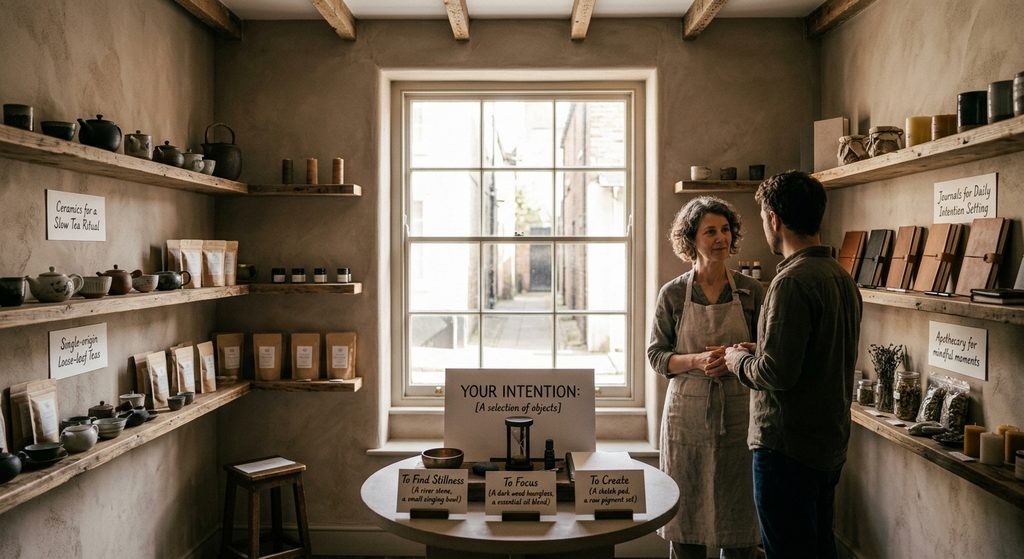
Changing our habits doesn’t happen overnight, but small decisions make a big difference. These are the practices that have helped me the most:
- Wait before you buy. When something catches your eye, give yourself at least 48 hours. If you still want it and can imagine wearing it often, it may be worth it. Most of the time, the urge simply disappears.
- Apply the 30-wear test. Before buying, ask yourself: “Will I wear this at least 30 times?” This simple question filters out many impulse purchases.
- Shop your own closet first. Before adding anything new, try creating new combinations with what you already have. A belt, a different shoe or a new way of layering can make an old piece feel fresh.
- Know your colors and silhouettes. Spend time discovering which colors light up your face and which shapes make you feel comfortable and confident. This becomes your personal filter for every trend.
- Choose quality over quantity. Invest in fewer, better pieces made from good fabrics, with careful construction. Check the seams, read the label and think about how the garment will look after many washes.
- Explore second-hand and vintage. Many of today’s trends are revivals of past decades. Vintage stores and resale platforms let you enjoy them with a much smaller impact, and often with more character.
- Care for what you own. Wash less and at lower temperatures, repair small damages, and store clothes properly. The longer a garment lives, the lower its true cost.
- Unfollow what makes you feel lacking. If certain accounts constantly make you feel that you need more, it is okay to mute or unfollow them. Curate your feed the way you curate your wardrobe.
Stepping off the treadmill
After that day with my clothes piled on the bed, I didn’t throw everything away or promise never to buy anything trendy again. Instead, I donated what no longer served me, sold a few pieces, and kept the items that truly felt like me. My closet is smaller now, but I get dressed faster, I feel more like myself, and I enjoy fashion more than ever.
Trends will always exist, and that is a good thing. They bring creativity, conversation and fun to the way we dress. But we get to decide how much power they have over us. When we shop with intention, we protect our wallets, respect the people who make our clothes, and give the planet a little more room to breathe.
So the next time a new trend appears on your screen, pause for a moment and ask yourself: Do I love this, or do I just love the feeling of buying something new?
Your answer might change the way you shop forever.
I would love to hear from you. What is the trend you regret buying the most, and which piece in your closet has stayed with you for years? Tell me in the comments.
